Property tax is an annual tax obligation owed to the local authority by the owner of a building. In 2026, its amount is determined based on the provisions of the Tax Code, the tax rate approved by the local authority, and the specific characteristics of the property. For any homeowner, this tax must be included in the annual housing budget alongside utility bills, maintenance fees, and insurance costs..
Property tax, officially referred to in the Tax Code as “building tax”, is an annual local tax owed for the ownership right over a building. Generally, the tax obligation falls on the person who owns the real estate property as of the reference date specified by law, regardless of whether the home is occupied, rented out, or unused.
In Bucharest, tax obligations are managed by the local tax and fee departments (direcțiile de taxe și impozite locale) of each sector, while in other municipalities they are handled by the competent local tax authority. After purchasing a home, the new owner must register the acquisition within the legally prescribed timeframe to ensure fiscal records are updated.
Typically, the new owner becomes liable for the tax starting with the fiscal year following the year of acquisition. However, declaring the property remains a separate legal obligation that must be completed within the mandatory deadline, regardless of when tax payments actually begin.
Property tax represents one of the primary revenue sources for local budgets. The collected funds are used to finance public services, maintain infrastructure, support local investments, and fund other public administration expenditures, according to the priorities established in local budgets.
For homeowners, property tax is one of the recurring costs associated with owning a home. When setting an annual budget, it is recommended to also take into account other expenses, such as maintenance, insurance, repairs, or utility consumption. If you are considering purchasing a new home, it may also be useful to learn what nZEB means for your monthly bill, as energy efficiency can help reduce running costs, even if it does not automatically influence the tax amount.
It is important to distinguish between taxable value, market value, and the purchase price of a home. The taxable value is established according to tax rules and is used exclusively for calculating the tax, without necessarily reflecting the price at which the property can be sold.
Annual tax is calculated by applying the tax rate approved by the local authority to the taxable value of the building. General rules are established by the Tax Code, and each local authority approves the applicable rates annually within the limits provided by law.
The general calculation formula is:
Annual Tax = Taxable Value of the Building x Tax Rate
The final amount can be influenced by several factors, including:
The usable area mentioned in a real estate listing is not always the base used for calculating the tax. Fiscal records apply evaluation rules and surface areas specified by the Tax Code, which is why the final amount should not be estimated solely based on information from a sales ad.
An illustrative example can more easily explain how the tax calculation formula is applied. The values below are used strictly for demonstrative purposes and do not represent the tax associated with an actual home.
| Element | Value used in example |
| Hypothetical taxable value | 500,000 RON |
| Tax rate | 0.1% |
| Resulting annual tax | 500 RON |
| Discount for full advance payment* | 10% |
| Amount after applying the discount | 450 RON |
* The discount applies only if provided for by the local authority’s decision and the conditions for granting it are met.
Starting from this example, the calculation is simple:
500.000 RON × 0,1% = 500 RON annual tax
If the owner benefits from a 10% discount for full payment by the deadline set by the local authority, the amount due becomes:
500 RON − 10% = 450 RON
This example is for informational purposes only. The taxable value varies from one property to another and should not be confused with the purchase price or the market value of the home.
The same principle applies regardless of the property type, whether it is a studio apartment, a house, or a 1-bedroom apartment with an office (3D layout type) and a garden. The tax is calculated according to fiscal rules and the taxable value established for each property, not based on the commercial naming or the interior layout of the dwelling.
The nZEB standard does not automatically reduce property tax. A property’s tax regime is established by current legislation and local authority decisions, and any potential tax benefits apply only under the conditions expressly provided by law.
In contrast, a building’s energy performance can influence long-term operating costs. A home built according to the nZEB standard is designed for low energy consumption, which can help reduce monthly expenses without automatically altering the owner’s tax obligations.
These benefits are especially relevant when choosing a sustainable residential complex in Pipera or another area where energy efficiency, modern technical solutions, and responsible construction are part of the project’s overall concept. Before making a decision, it is recommended to check whether the local authority in the area where the property is located offers tax incentives for certain categories of buildings or for energy efficiency upgrades.
Building tax and land tax are two distinct tax obligations, calculated separately. Building tax applies to the structure, while land tax is determined for the land area owned, according to the rules set out in tax legislation. In the case of a house, the owner may owe tax for both the building itself and the corresponding land.
The amount of land tax is influenced by factors such as surface area, location, usage category, and the tax zone in which the property is situated. For an apartment, ownership may also include an undivided share of the land on which the building is constructed. How this share is registered can be verified in the title deed, cadastral documentation, and land register. It is important for the owner to distinguish between these two types of tax, as each has its own calculation rules and tax regime.
After purchasing a property, the owner must declare the acquisition to the local tax authority within the legally prescribed deadline. Declaring the property is necessary to update fiscal records and to correctly establish building tax obligations. Depending on the local authority and the specifics of the transaction, the submitted file may include:
Even though the notary public transmits certain information to public institutions, the owner must verify that the declaration obligation has been fulfilled and that the data recorded in the fiscal registry is correct.

Building tax is typically paid in two equal installments, on the deadlines established by tax legislation and local authorities. Owners may also opt for full advance payment, in which case some local administrations grant a discount if the conditions set out by the applicable decisions are met. Payment can be made through several methods, depending on the services provided by the local authority:
Late payment may incur interest and late payment penalties, and the existence of unpaid tax obligations can affect obtaining the tax clearance certificate required for a future property transaction.
The Tax Code provides for certain categories of exemptions and allows local authorities to grant tax incentives under the conditions established by law. Applying these depends on the owner’s eligibility category, the building’s characteristics, and the decisions adopted at the local level. Situations where incentives may apply include:
Reductions or exemptions do not apply automatically just because a home is new or built to modern standards. The owner must verify the applicable conditions and submit the required documentation to the competent authority.
Buying a property involves more than just checking the price or floor plan. Before signing the documents, it is recommended to review the legal, technical, and tax documentation of the property to reduce the risk of future issues.
In addition to the tax clearance certificate, land register extract, and cadastral documentation, it is worth knowing what to check before signing a pre-sale agreement to clarify necessary information before making a contractual commitment. Your post-purchase budget should include not only the annual tax, but also other recurring homeownership costs:
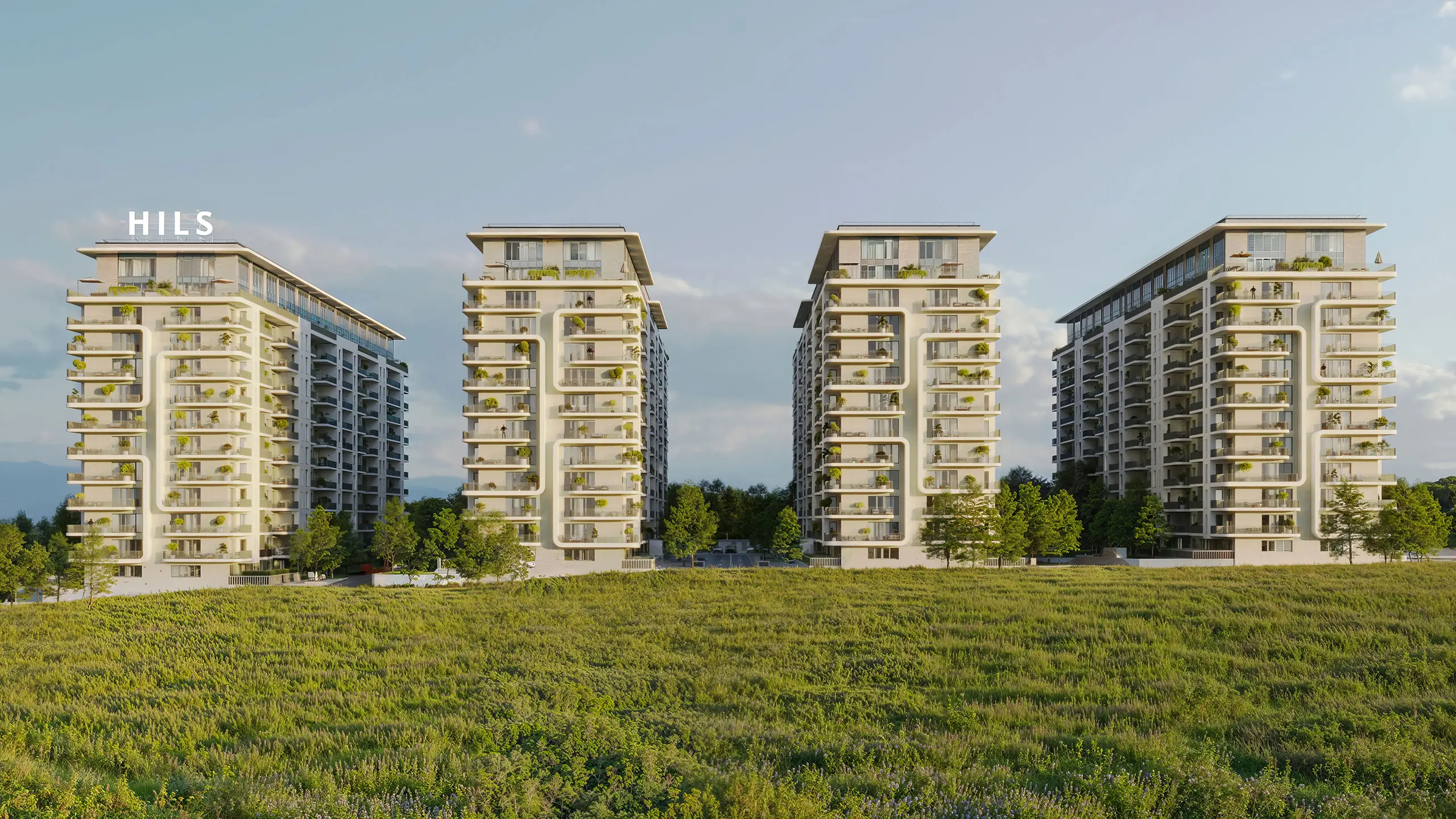
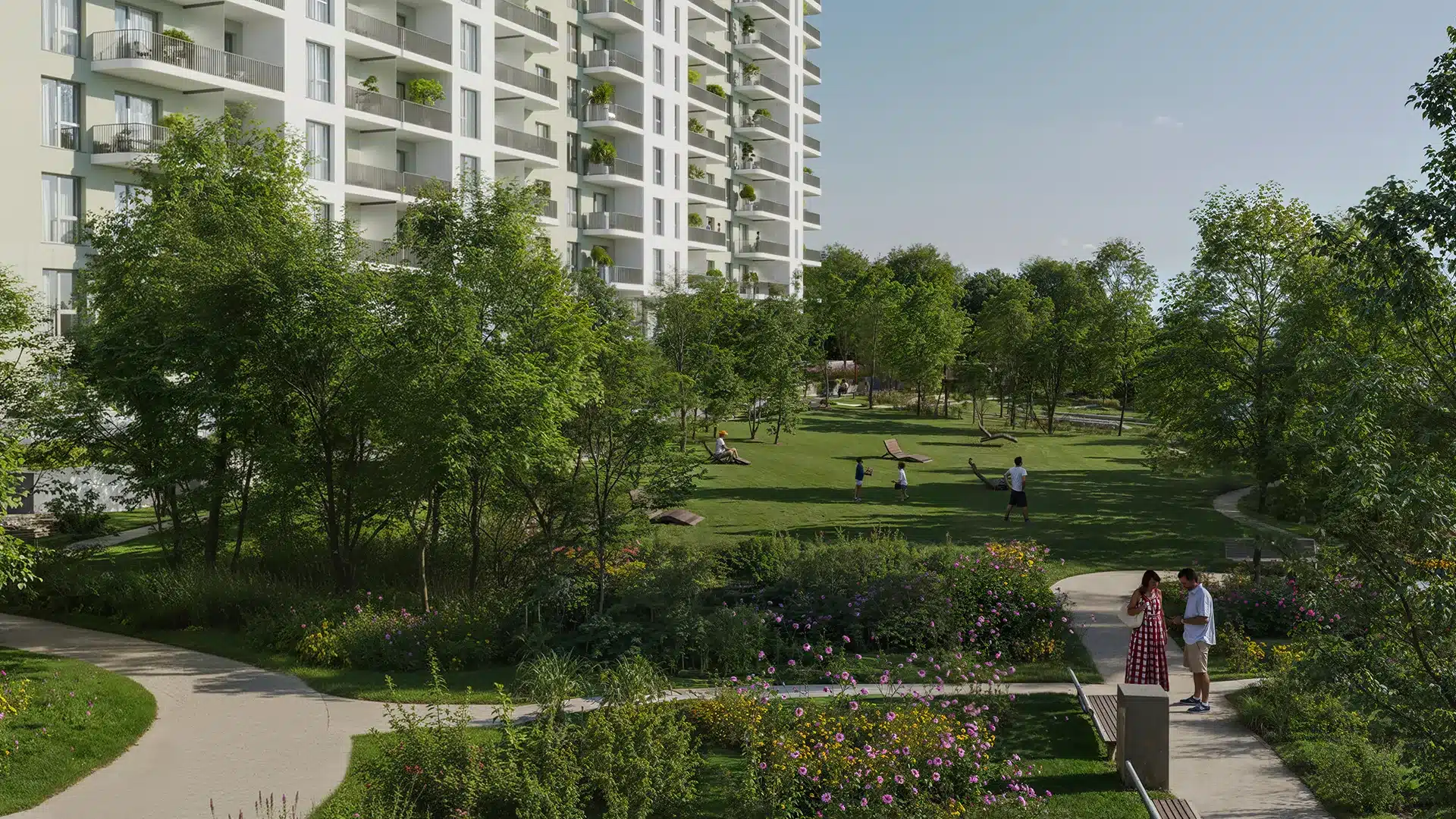
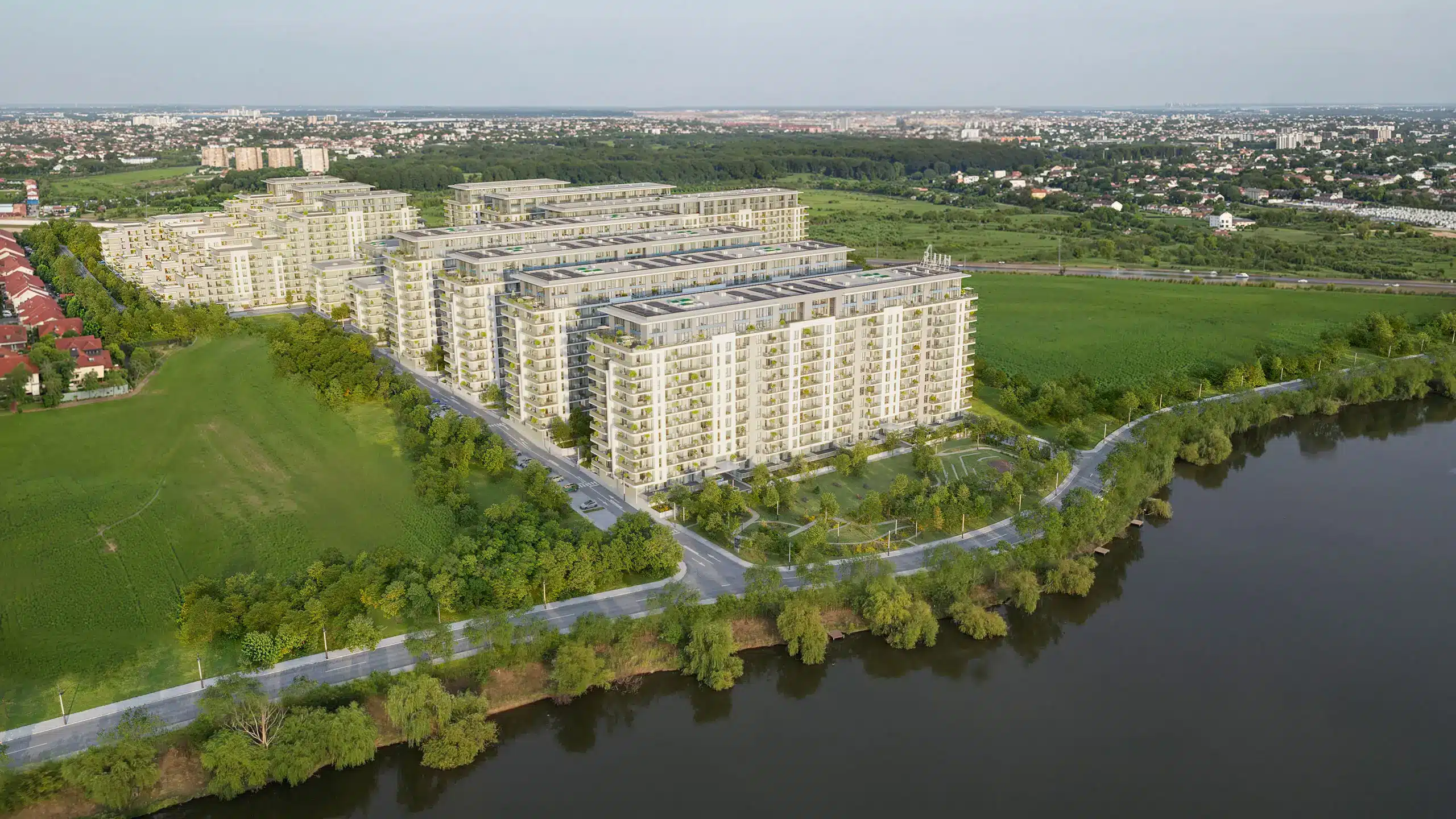
In a new residential development, developer transparency and access to relevant documentation contribute to a more predictable buying process. HILS Nord, the first HILS project developed in the northern part of the capital, is designed as a mixed-use neighborhood with green spaces, a promenade, and integrated amenities. Its approach emphasizes contemporary living, efficiency, and clear information for prospective owners prior to purchase.
Property tax is one of the long-term fiscal obligations every owner must factor in. Understanding how it is calculated, meeting declaration and payment deadlines, and checking for potential tax incentives all contribute to more predictable household budget management.
If you are comparing multiple apartments in Pipera, it is recommended to evaluate not only the purchase price, but also the recurring ownership costs, such as annual taxes, maintenance fees, utilities, and insurance. A complete picture of these expenses will help you make an informed decision tailored to your long-term budget.
If you need information regarding documentation for a new home, the buying process steps, or project specifications, schedule a consultation with the HILS Nord team.
Yes. Building tax is owed based on property ownership, not actual usage. An unoccupied property or one under renovation remains subject to taxation.
As a general rule, the new owner owes the tax starting from the fiscal year following the year in which the property was acquired. However, declaring the property to the local tax authority must be done within the deadline provided by law.
Taxable value is used exclusively to calculate building tax and is established according to tax rules. Market value represents the estimated price at which the property can be traded and does not necessarily match the taxable value.
Late payment can result in interest and late payment penalties under tax law. Additionally, outstanding tax obligations can prevent the issuance of the tax clearance certificate required for certain real estate transactions.
Some local authorities offer an early payment bonus (bonificație) for paying the tax in full by the deadline set by applicable local decisions. The conditions and discount percentage can vary from one municipality to another.




 Whatsapp
 Home
Home